
Dream Dictionaries vs. Psychological Interpretation
Dream dictionaries list fixed meanings; psychological interpretation starts from you. Compare the two approaches and learn which questions to ask of a dream.

A dream dictionary is a reference that lists a fixed meaning for each dream image. Psychological dream interpretation is a different approach: it treats the dream as personal material and starts from your feelings and your life. Both answer the question "what does my dream mean?", but they begin from opposite ends.
How does a dream dictionary work?
A dictionary is organised by image. You look up "snake" or "teeth" and read a short entry. This is quick and fits the way people search, which is why such entries are popular. The weakness is that the entry cannot know who is reading it.
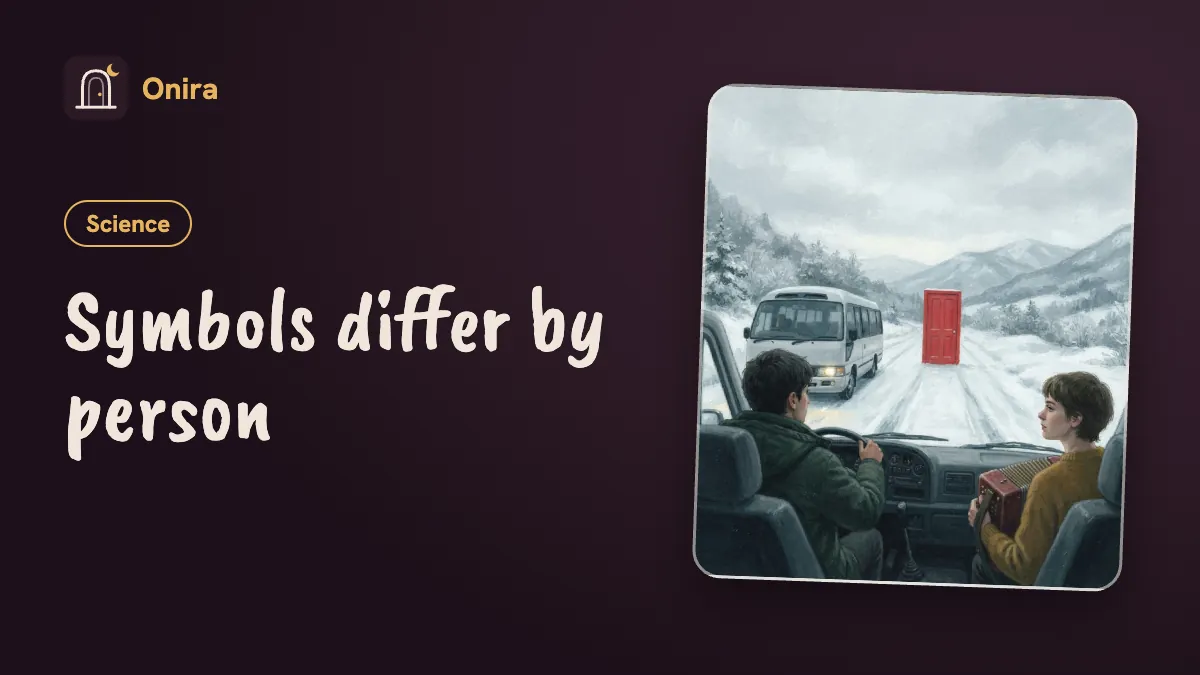
The same image gets different readings in different traditions and different books, which is a first hint that no single entry is the answer. The reasons are covered in why dream symbols differ from person to person.
How does psychological interpretation work?
Psychological approaches begin with the dreamer. The questions are: what did you feel, what does the image remind you of, and what is going on in your life? This follows what content research reports, namely a continuity between waking life and dreaming (Source 2).
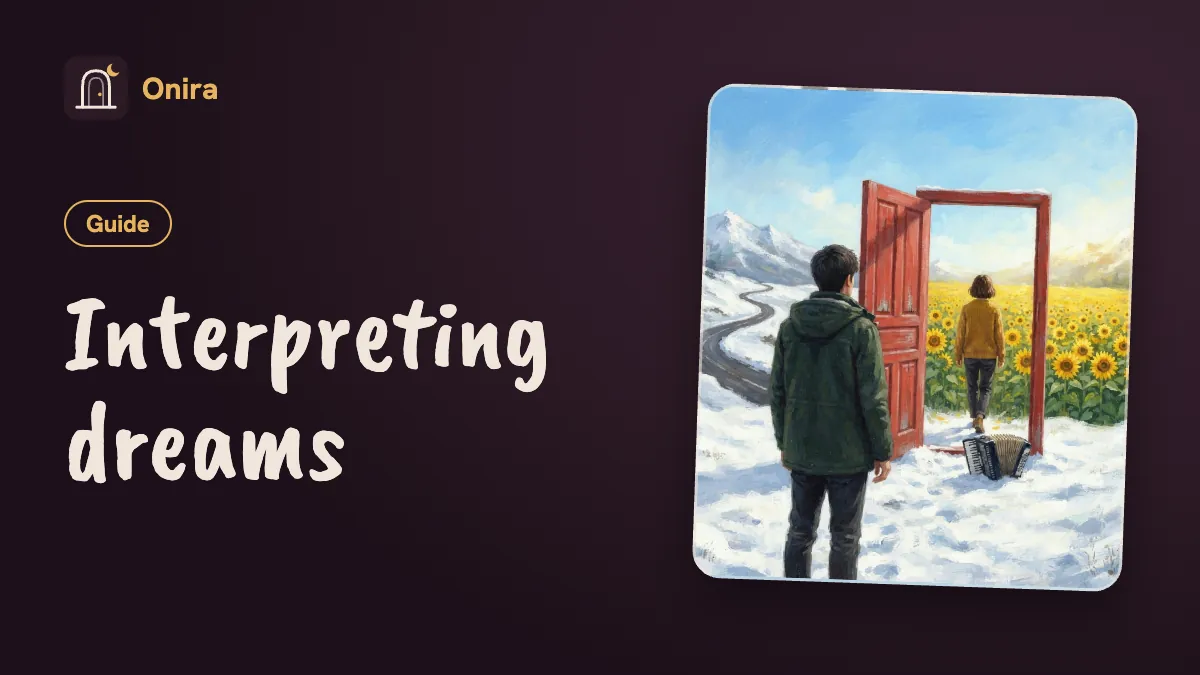
In practice, interpretation is a sequence of questions and not a lookup. The five-step method sets out the order: record, name the feeling, list the images, connect to life, and decide what to keep.
What does research say about fixed meanings?
Systematic studies of dream content count what appears and how often. They find common themes, but they do not find that a given image carries one meaning for everyone (Source 1). Common is not the same as universal. The field's own handbook is careful on this point and treats dreams as shaped by the individual (Source 3).
So a statement such as "dreaming of a house always means X" goes further than the evidence. The more modest claim, that people often report houses and that the feeling in the dream is the best guide, is the one research supports.
Where does a dictionary still help?
Used carefully, a dictionary is useful in three ways. It shows which themes are common, so you know you are not alone in dreaming of losing teeth or of an exam. It offers ideas you had not considered. And it gives you vocabulary for what you saw.
The rule is to treat each entry as a hypothesis. If it fits your feeling and your week, keep it. If it does not, leave it. Our dream symbols section is written in this way: it gives a psychological view and variations, then returns the questions to you.
How do you combine the two?
- Record the dream and your feeling first, before reading anything.
- Look up the main image for ideas, not for a verdict.
- Test each idea against your feeling and your week.
- Note what held in your dream journal, so a pattern builds over time.
Why do dream dictionaries remain so popular?
A dictionary answers fast. You type a word, you receive a sentence, and the uncertainty of not knowing ends. That relief is real, and it explains why people return to such lists night after night. Interpretation asks for more effort: you must remember a feeling, search your week and weigh several options.
There is also a historical reason. Printed dream books have circulated for centuries, so the lookup format feels familiar and authoritative. Familiar is not the same as supported. Modern dream research moved away from fixed lists and toward counting what people actually report and comparing it with their lives (Source 1). The change is not a rejection of interest in symbols; it is a change of method, from asserting meanings to observing patterns.
What does a good question look like?
The strongest tool in interpretation is a well-made question. Compare two ways of approaching a dream about a locked door. The dictionary approach asks, "What does a locked door mean?" The psychological approach asks, "What did I feel in front of that door, and where in my week did I feel shut out or held back?"
The second question cannot be answered by anyone but you, and that is its strength. It turns the dream into a prompt for noticing something in your own life. If the answer is "nothing", that is a fine answer too; not every dream needs a reading, and a dream that produces no feeling can be left alone.
A few questions that work for almost any dream:
- What was the strongest feeling, and did it change during the dream?
- Which image do I keep thinking about?
- What happened the day before that touches the same feeling?
These questions do not claim to know what your dream says. They help you hear what you already know.
Where does Onira fit in?
Onira follows the second approach. You describe the dream, and it returns a reflection that starts from your words and feelings, not a fixed verdict, together with a scene sequence. You can download Onira and see the difference with your own dream.
Frequently asked questions
What is the difference between a dream dictionary and dream interpretation?
A dream dictionary lists a fixed meaning for each symbol. Psychological interpretation treats a dream as personal material and starts from the dreamer's feelings, memories and current life. The first gives an answer in advance; the second gives you questions to ask.
Are dream dictionaries accurate?
Research on dream content does not support a single fixed meaning for each symbol across all people. A dictionary can still be useful as a list of common themes and ideas to consider, as long as you test each one against your own experience.
Can I use a dream dictionary and a journal together?
Yes. Use the dictionary or symbol page for ideas, then check them against what you recorded about your feeling and your week. Keep what fits your experience and leave the rest.
Get started
Tell your own dream in Onira.
Get your reflection and your scene sequence.
Sources
- American Psychological Association (2003). The Scientific Study of Dreams: Neural Networks, Cognitive Development, and Content Analysis
- Consciousness and Cognition (2003). Continuity between waking activities and dream activities
- Palgrave Macmillan (2018). Researching Dreams: The Fundamentals
Keep reading
Why Dream Symbols Differ From Person to Person
Why does the same dream symbol mean different things to different people? Personal memory, feeling and context shape a symbol more than any dictionary entry.
How to Interpret Your Dreams: A 5-Step Method
How do you interpret a dream? Start with the feeling, then add context, the key image and the questions to ask yourself, in five plain steps.

How to Keep a Dream Journal: A Step-by-Step Guide
How do you keep a dream journal? A plain guide from putting a notebook by the bed to noting feelings and tracking recurring symbols. Start today.