
How to Interpret Your Dreams: A 5-Step Method
How do you interpret a dream? Start with the feeling, then add context, the key image and the questions to ask yourself, in five plain steps.
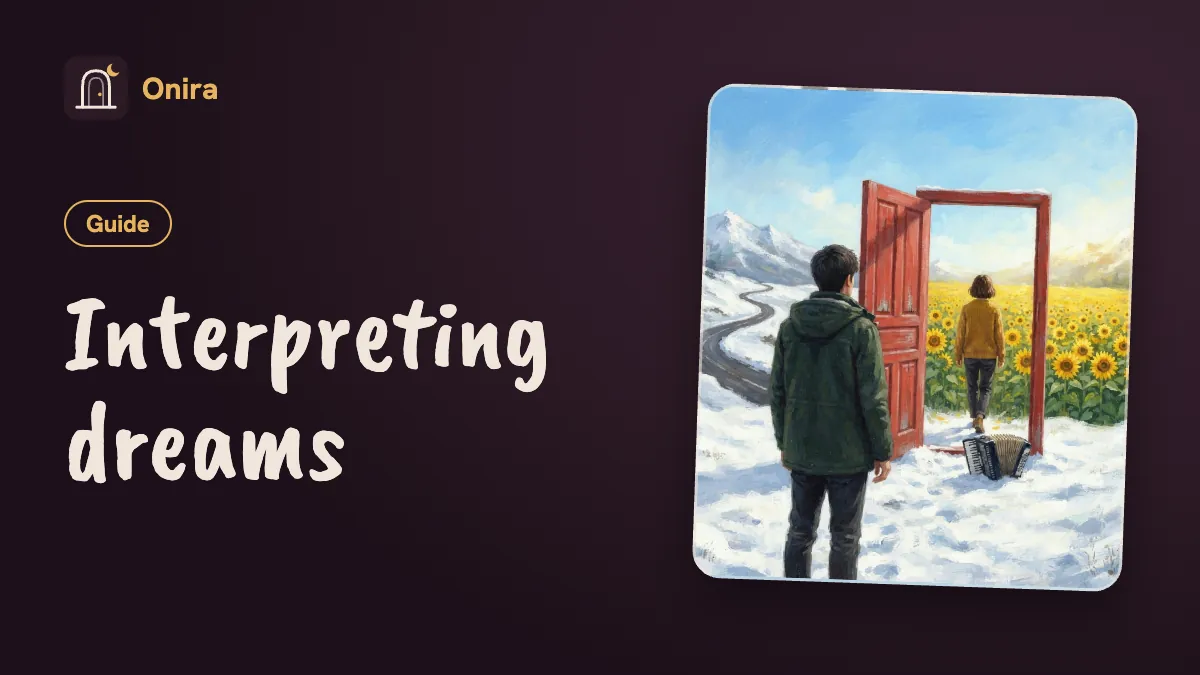
Dream interpretation is the effort to make sense of the feelings, images and events in a dream together with the dreamer's own life and context. In this post you will find a plain way to read your own dream in five steps, without a dictionary.
Why is a dream not interpreted with a dictionary?
Dream dictionaries give each image one meaning, yet the same image stirs different feelings in different people. A snake brings fear to one person and curiosity to another. Dream research reports that dream content largely shows continuity with what a person does and cares about while awake (Source 2, Source 3). So the meaning of a dream is looked for in your life, not in a dictionary.
This approach differs from popular "dream dictionary" books. A dictionary ties symbols to fixed meanings; the psychological view reads the dream with the person's own feelings and context and passes no verdict. You can see with examples why symbols differ from person to person in the dream symbols guide.
Step one: How do you record the dream?
Dreams begin to fade within minutes of waking. So the first step is to write what you remember straight away. Do not try to fix the order; write the scenes, people, colours and sentences that stay in your mind as they come. Even a half-finished scene helps.
Keep a notebook or a phone within reach. You can speak it instead of writing; what matters is carrying the dream out before you lose it. We explained how to keep a record step by step in the dream journal guide.
Step two: How do you find the feeling?
At the centre of dream interpretation stands the feeling, not the image. Name what you felt in the dream and on waking in a single word: fear, shame, curiosity, relief, longing. The same event takes on a very different meaning with two different feelings; running from a chase and enjoying a chase are not the same dream.
To find the feeling, ask yourself: "At the most intense moment of the dream, what was in my body?" The answer often points to the real subject of the dream.
Step three: How do you connect context and images?
Now compare the dream with the last few days. Studies of dream content show that the activities in a dream relate to activities in waking life (Source 2). So look at these: What has been occupying you lately? Which conversation, decision or relationship is on your mind?
Then choose the image that stands out. For example, if there is a snake or a house in the dream, write what that image calls up in you. Instead of searching for a general meaning, tie it to your own memories and what you have lived lately. The symbol pages that treat the same image in detail offer starting questions, but the final reading is yours.
Steps four and five: Which questions do you ask yourself?
In step four, put questions to the dream: Whom does the person or image remind you of? What did you want to do in the dream and what did you do? Where did the dream end? These questions turn the dream from a verdict into a space for thinking.
In step five you arrive at a small conclusion: "Which feeling did this dream make me notice, and what can I do with it today?" One small, doable step is enough: not putting off a conversation, sharing a load or giving yourself a little time.
What do you watch for in dream interpretation?
Dream interpretation is not a verdict. You do not draw conclusions from a dream about the future, other people's intentions, your health or money; a dream only offers a clue about your own inner world. Looking at what recurs over time teaches more than a single dream, and that takes keeping a record.
How does Onira help in this process?
Onira gathers these five steps into one flow: you type or speak your dream, choose your feeling and context, and Onira prepares a psychology-informed reflection and a scene-by-scene picture. Recurring symbols gather on the Insights screen. You can look at the features or start from the download page.
Frequently asked questions
Does dream interpretation give a definite result?
No. Dream interpretation is a symbolic reading; it makes no prediction and passes no firm verdict. You take what fits and leave what does not. What makes a dream meaningful is your own feeling and the context you live in.
Can I interpret dream symbols from a dictionary?
A dictionary can be a starting point, but it is not the last word. The same image stirs different feelings in different people. Find your own feeling first, then think about the image together with your own life.
Get started
Tell your own dream in Onira.
Get your reflection and your scene sequence.
Sources
- Palgrave Macmillan (2018). Researching Dreams: The Fundamentals
- Consciousness and Cognition (2003). Continuity between waking activities and dream activities
- American Psychological Association (2003). The scientific study of dreams: Neural networks, cognitive development, and content analysis
Keep reading

How to Keep a Dream Journal: A Step-by-Step Guide
How do you keep a dream journal? A plain guide from putting a notebook by the bed to noting feelings and tracking recurring symbols. Start today.

Dream Dictionaries vs. Psychological Interpretation
Dream dictionaries list fixed meanings; psychological interpretation starts from you. Compare the two approaches and learn which questions to ask of a dream.
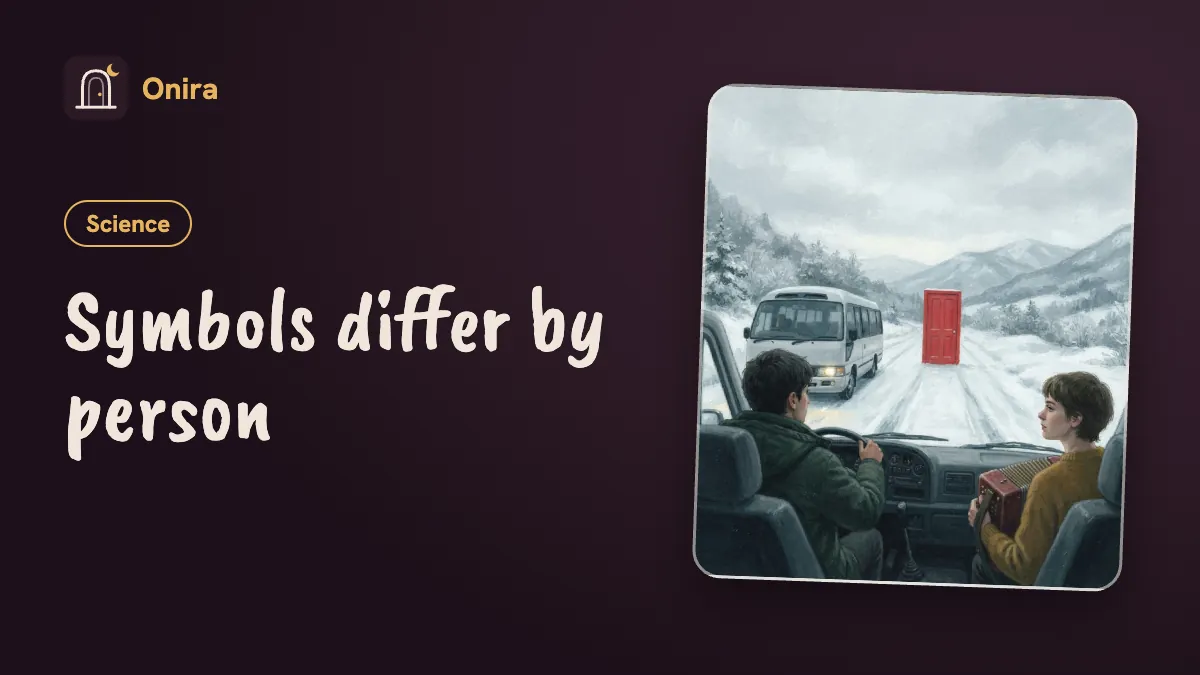
Why Dream Symbols Differ From Person to Person
Why does the same dream symbol mean different things to different people? Personal memory, feeling and context shape a symbol more than any dictionary entry.